
When people hear the word “Halal“, food is often the first thing that comes to mind.
But in Islam, the word Halal actually means much more than food.
Halal is an Arabic word meaning “permissible” or “allowed.” It refers to things that Muslims are permitted to do, use or consume according to Islamic principles.
That can include food and drink, but also business, finance, clothing and many other parts of everyday life.
So for Muslims, choosing what is halal is not simply about deciding what to eat. It is part of a wider way of life.

So, What Is Halal Food?
When we talk specifically about food, halal food means food that Muslims are permitted to eat according to Islamic principles.
And there is more to it than simply saying, “There’s no pork in this dish.”
Halal can involve:
- The type of animal
- Where ingredients come from
- How an animal is slaughtered
- Sauces, seasonings and other ingredients
- Food storage
- How food is prepared
- Avoiding contamination with non-halal ingredients
In other words, halal is not only about what you see on your plate. The process before the food reaches the table matters too.
Halal Does Not Simply Mean “No Pork”
This is probably one of the most common misunderstandings about halal food.
Pork and pork products are prohibited for Muslims, but halal dietary principles go beyond that.
Certain other foods are also prohibited, including blood and animals that have died without being slaughtered in the appropriate manner. There are also additional rules concerning different types of animals, with some details varying according to Islamic schools of thought.
So seeing chicken or beef on a menu does not automatically mean that the dish is halal.
The source of the meat and how the food is prepared also matter.
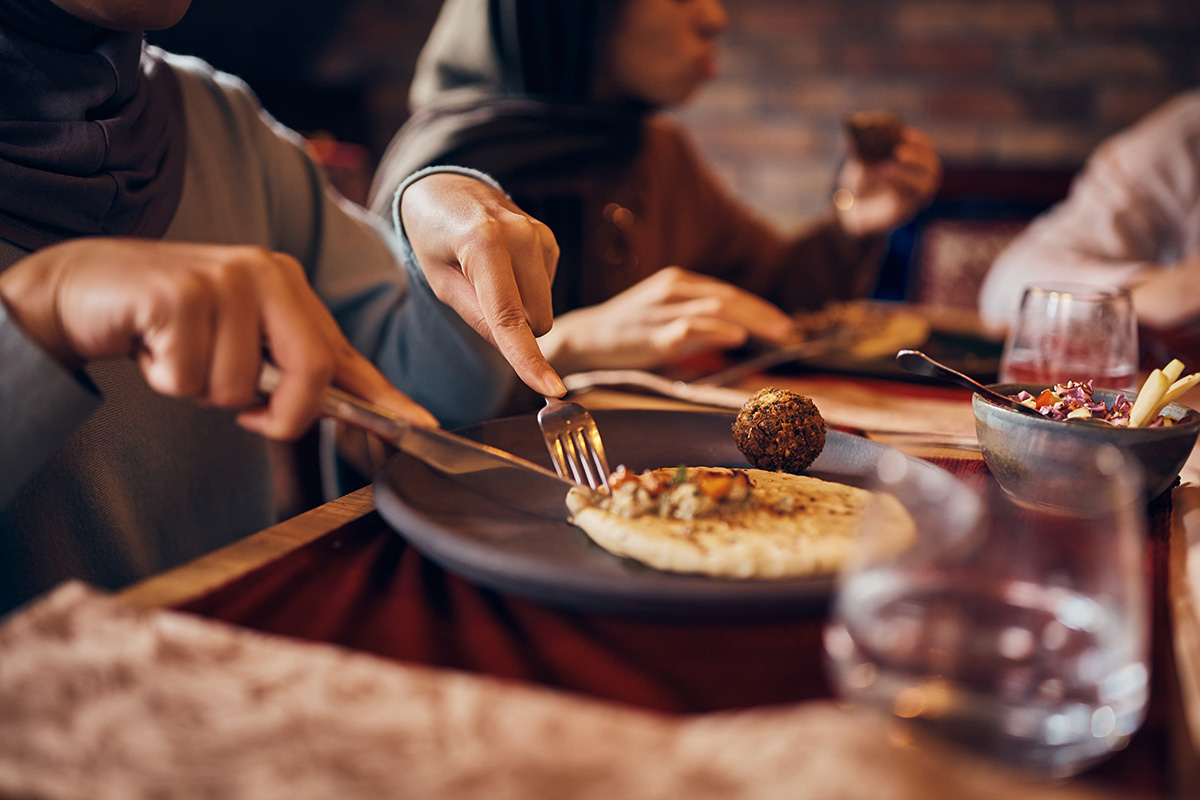
Why Does Halal Meat Need to Be Slaughtered in a Particular Way?
Animals that Muslims are permitted to eat — such as chicken, cattle, sheep and goats — must be slaughtered according to Islamic requirements.
One important part of the process is mentioning the name of Allah, or God, at the time of slaughter.
Behind this practice is an important idea: an animal’s life should not be taken carelessly.
Islam permits people to consume animals for food, but it also places responsibility on how animals are treated.
Unnecessary suffering should be avoided, and food should not be wasted.
It is a reminder that although people can benefit from what God has created, those resources should also be treated responsibly.
Does Halal Food Taste Different?
Here is the fun part.
Not necessarily!
“Halal” is not a flavour, and it is not a specific type of cuisine.
Halal food can include almost anything:
Thai food
Malaysian food
Indian food
Steak
Pasta
Burgers
Noodles
Fried rice
Desserts
Western-style breakfasts
The main difference is in the ingredients and preparation, not necessarily the taste.
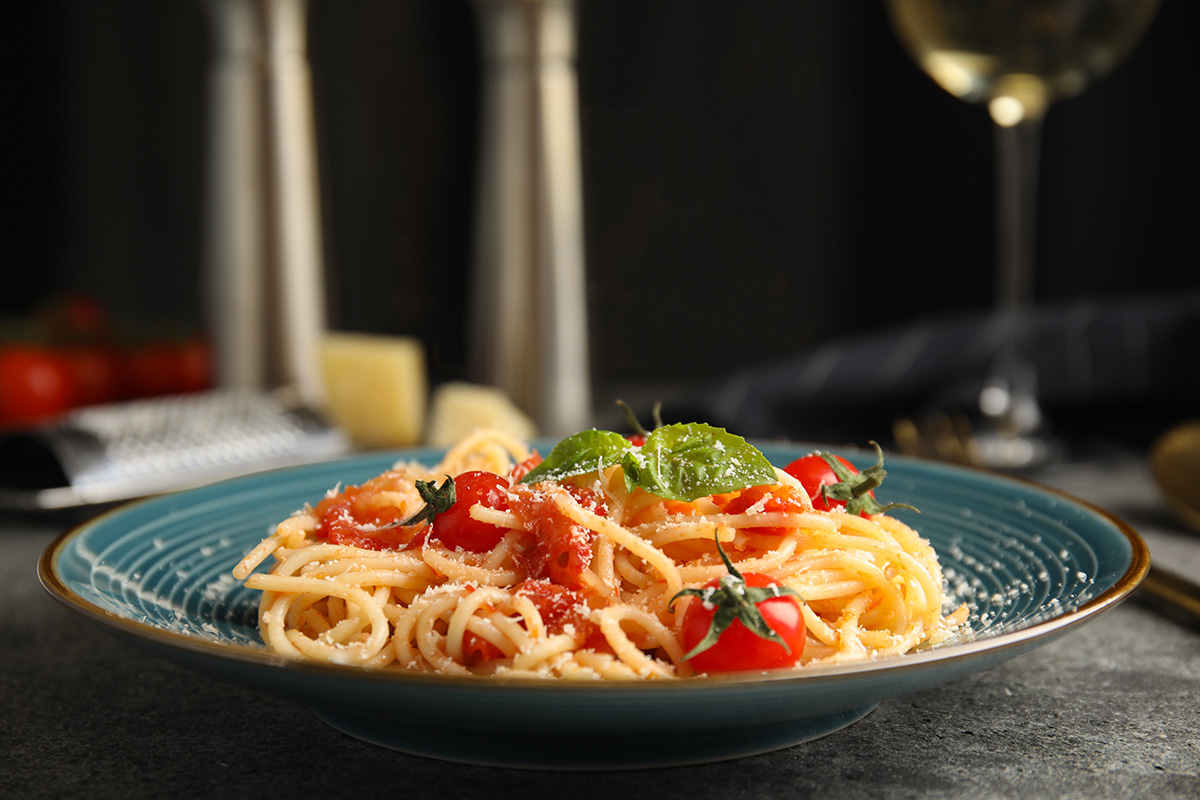
For example, a halal pasta dish can use the same type of pasta, similar herbs and similar sauces as any other restaurant. The difference is that the meat and other ingredients are selected according to halal requirements, while ingredients such as pork and alcohol are avoided.
So halal food does not automatically mean Middle Eastern food, spicy food or “Muslim-style” food.
It can taste just like the dishes you already know and love.
Is Halal Food Only for Muslims?
Not at all.
Halal food is food that Muslims are permitted to eat, but there is no rule saying that only Muslims can enjoy it.
People of any religion, nationality or background can eat halal food.
You do not have to be Muslim to walk into a halal restaurant.
You do not need to understand Islamic dietary rules before ordering.
Simply choose a dish you like, order your food and enjoy your meal just as you would at any other restaurant.
Why Do People Choose Halal Food?
For Muslims, the main reason is religious.
For everyone else, halal restaurants can simply offer another great dining option, with attention given to ingredients, sourcing and food preparation.
And at the end of the day…
Delicious food is still delicious food.
A good steak is still a good steak.
Freshly fried Pa Tong Go is still crispy on the outside and soft inside.
And a plate of Nasi Lemak still gives you fragrant coconut rice, bold sambal and plenty of different textures and flavours.
Read more: Fragrant Coconut Rice, Spicy Sambal and Crunch in Every Bite — The Charm of Nasi Lemak
Halal is not something designed to separate people.
It simply means that the food meets the requirements that allow Muslims to enjoy it with confidence.
Looking for a Halal Restaurant in Bangkok?
You can stop by Koh Nai Soi, a halal restaurant in Bangkok, where you will find a wide variety of dishes ranging from breakfast and main courses to pasta, steak and Nasi Lemak.
Muslim or not, everyone is welcome to come and enjoy a meal.
Because sometimes the easiest way to bring people from different backgrounds together is very simple:
Share some good food.